
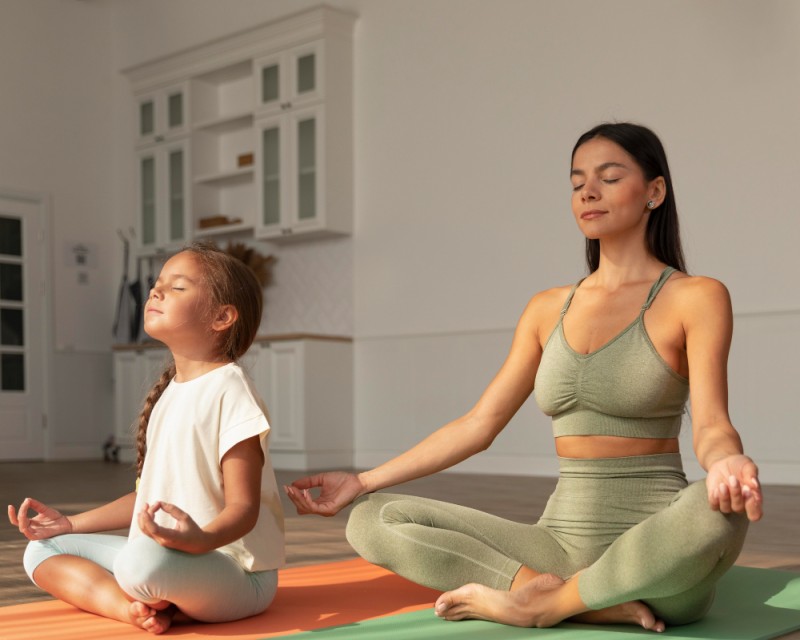
Yoga offers more than just physical exercise; it is a practice that enhances focus, balance, and emotional well-being. Introducing yoga to children can foster healthy habits, improved body awareness, and a sense of calm. In an era where children are increasingly engaged with screens and less with physical activity, incorporating simple yoga practices can encourage movement, relaxation, and mindfulness. Experts recommend beginning with fun and easy movements rather than rigid routines, making yoga accessible and enjoyable for young children.
Children can start engaging in basic yoga activities as early as ages 4 to 5, focusing on playful exercises that introduce them to the practice. As they grow, specifically between the ages of 6 and 12, they can gradually progress to longer poses, breathing exercises, and more structured routines. The primary objective of yoga for children is not perfection but enhancing their concentration, flexibility, confidence, and awareness of thoughts and emotions.
Regular practice of yoga can offer children numerous benefits, such as improved flexibility and balance, better posture, enhanced focus and concentration, and effective stress and emotion management. Yoga also promotes relaxation and mindful breathing, equipping children with tools to slow down, remain active, and strengthen the body-mind connection.
Several poses are particularly beneficial for children. The Tree Pose (Vrikshasana) involves standing on one leg with the opposite foot placed on the inner leg, arms extended upward like branches. This pose helps in improving balance, concentration, and confidence while strengthening the legs. The Cat-Cow Pose (Marjaryasana-Bitilasana) involves arching and rounding the back while on hands and knees, which enhances spine flexibility, supports posture, and encourages controlled breathing. The Butterfly Pose (Baddha Konasana) has children sit with the soles of their feet together, gently moving their knees like butterfly wings, improving flexibility and stretching hips and legs. Lastly, Child’s Pose (Balasana) is a relaxing position where children sit back with arms extended forward, promoting relaxation, tension release, and calm breathing.
By incorporating yoga into daily routines, children can develop a positive habit that keeps them active while enhancing patience, focus, and inner calm. Introducing yoga at an early age can support healthier physical and mental development, offering a foundation for balanced growth and well-being.