
As traditional markets face regulatory barriers, Nvidia is pivoting toward emerging opportunities in the Middle East, where shifting U.S. trade policies are creating new avenues for AI chip sales. The company has announced plans to supply Saudi Arabia with hundreds of thousands of processors, including 18,000 units of its cutting-edge Blackwell chips, as part of broader technology partnerships facilitated by the Trump administration’s regional trade agreements.
This geographic diversification strategy comes at a critical time, as Nvidia grapples with the loss of its Chinese market access following new export restrictions on its H20 AI chip. The Middle Eastern expansion represents part of a broader effort to offset the substantial revenue impact of China trade curbs, which analysts estimate could reduce quarterly sales by $3 billion to $4.5 billion. However, industry experts caution that revenue contributions from these new regions will likely remain modest in the immediate term.
The timing of this market shift coincides with renewed confidence from major cloud computing companies, including Alphabet’s Google, which have pledged continued investment in AI infrastructure despite previous concerns about spending slowdowns. This corporate commitment provides Nvidia with a foundation for growth even as it navigates the complex landscape of international trade restrictions. The company’s Wednesday earnings report will offer investors their first comprehensive look at how successfully these strategic pivots are compensating for lost Chinese business.
Middle East Emerges as New Growth Frontier for Nvidia Amid China Export Restrictions
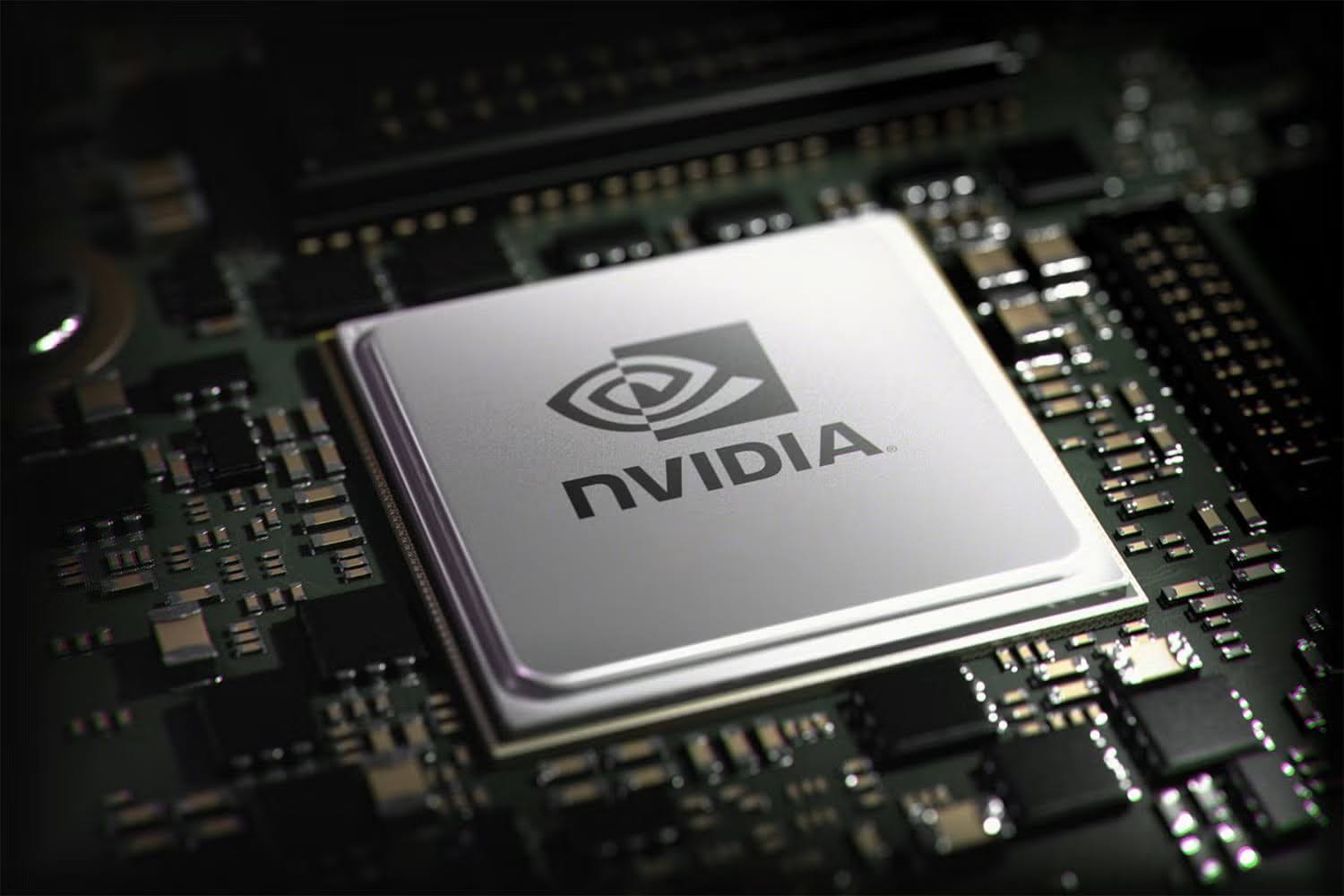
Picture credit: www.trustedreviews.com
67