
The global petroleum sector has recorded its most severe annual downturn since the pandemic crisis, with crude prices dropping nearly 20% during 2025. This marks an unprecedented third consecutive year of price declines, creating mounting financial challenges for oil-producing nations and energy companies across the world.
Market fundamentals reveal a dramatic oversupply situation driving the persistent weakness. Producers worldwide continue extracting crude at volumes substantially exceeding what global economic activity requires, creating what analysts describe as extremely oversupplied market conditions. This fundamental imbalance has maintained downward pressure despite ongoing military conflicts in strategically important producing regions.
Diplomatic progress toward ending the Russia-Ukraine conflict pushed crude below $60 per barrel last month, reaching levels not seen in almost five years. Market participants worry that lifting western sanctions on Russian energy exports would flood an already saturated system with additional supplies, potentially driving prices to unprecedented lows in the months ahead.
Year-end pricing shows Brent crude at $60.85 per barrel, representing a steep decline from approximately $74 at the conclusion of 2024. U.S. benchmark prices experienced identical percentage losses, finishing at $57.42. The OPEC cartel normally manages member production strategically to maintain prices within an optimal range, but recently acknowledged severe market conditions by postponing any planned output increases beyond the first quarter.
Economic headwinds from major economies and trade tensions affecting China have significantly reduced demand from the world’s primary energy consumer. The International Energy Agency projects supplies will outpace consumption by roughly 3.8 million barrels per day this year, even after OPEC deferred production increases. Major financial institutions anticipate further erosion, with some forecasting spring prices around $55 per barrel or declines into the $50s during 2026. While consumers may benefit from reduced fuel costs and lower inflation, retailers face criticism for not passing savings along quickly enough, and household energy bills are rising slightly despite the crude price collapse.
Oil Markets Sink to Lowest Levels in Nearly Five Years
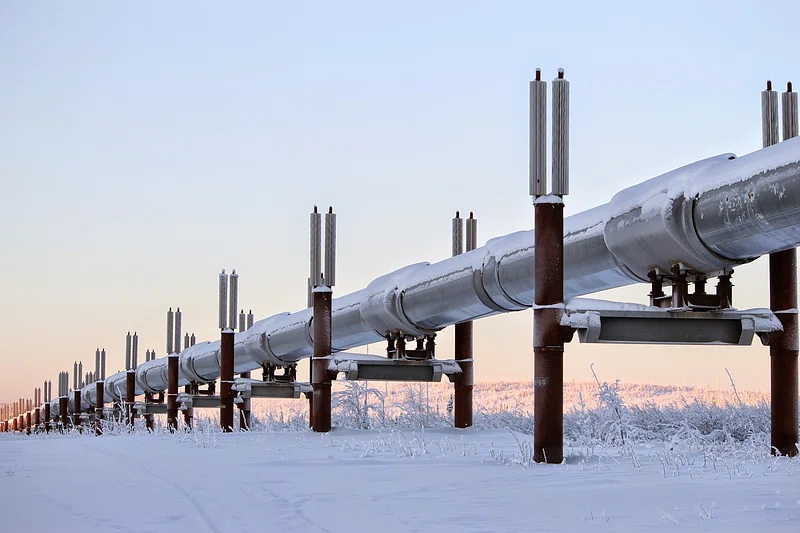
Picture Credit: www.rawpixel.com
63