
The death of Iran’s Supreme Leader has touched off a battle for the national narrative. While the state-controlled media focuses on institutional continuity and the constitutional process of succession, social media has become a space for celebration and digital defiance. The government’s response has been to flood the streets with security forces to ensure that this online sentiment does not translate into physical protest.
The memory of the “death to the leader” broadcast slip remains fresh, serving as a reminder of the public’s fractured loyalty. The state is doing everything it can to prevent such incidents from happening again, including a massive presence of paramilitaries and armed police in major cities. This “show of strength” is aimed at both a domestic and international audience.
The legal transition is being managed by an interim council, as outlined in the constitution. This body will perform the leader’s duties until the Assembly of Experts can finalize a permanent successor. This process is shrouded in secrecy, but it is clear that the IRGC will play a significant role in determining who the next leader will be.
Mojtaba Khamenei is a name that continues to surface in succession discussions. His potential elevation to the top post would be a major shift for the Islamic Republic and could spark further dissent. The IRGC’s support for him is seen as a way to ensure the continuation of the current military-led foreign policy.
The international community is also watching for shifts in Iran’s nuclear policy. The late leader’s religious ban on nuclear weapons was a key part of his legacy. If his successor is more hardline—or if the IRGC takes full control of the nuclear program—the religious barriers to weaponization may be removed, leading to a new era of regional escalation.
Digital Defiance and Street Control: The Battle for Iran’s Narrative
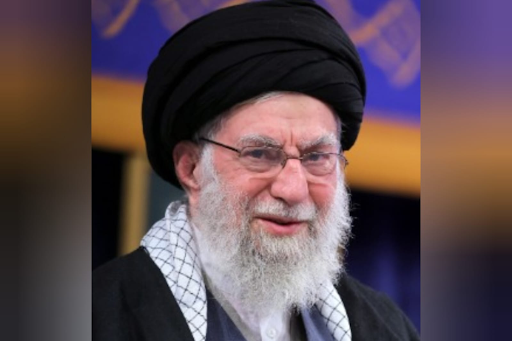
Photo by khamenei.ir, via wikimedia commons
50