
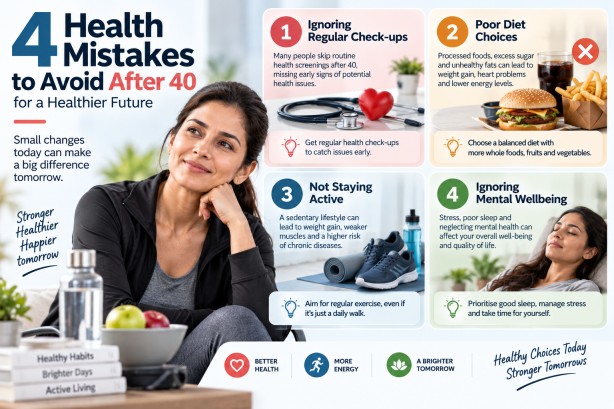
Reaching the age of 40 is often a pivotal moment to reassess one’s health, as shifts in metabolism, muscle mass, and activity levels can lead to overlooked healthy habits. Rather than waiting for potential health issues to manifest, establishing sustainable routines and maintaining consistency with preventive care can significantly contribute to long-term wellbeing. Here are four common pitfalls to avoid once you pass this milestone.
Embracing extreme or fad diets might seem like a quick solution for weight loss, but these highly restrictive plans are challenging to sustain. They often involve unnecessary elimination of entire food groups, which can hinder the intake of essential nutrients such as protein, fiber, vitamins, and minerals. Instead, it’s beneficial to adopt a balanced diet rich in vegetables, fruits, whole grains, protein sources, and healthy fats. Prioritizing sustainable lifestyle changes over short-term diet trends is generally more effective for maintaining health.
As work commitments and prolonged sitting periods increase, physical activity can easily decrease, which is particularly concerning with age. Maintaining muscle strength becomes crucial, making regular exercise an important aspect of a healthy routine. Combining aerobic activities like walking with strength training is recommended. Simple adjustments, like taking short movement breaks during the day or opting for stairs, can help counteract the effects of a sedentary lifestyle.
Disregarding recommended health screenings is another mistake that should be avoided. Feeling healthy does not negate the need for preventive healthcare, as some conditions may develop without noticeable symptoms. Age- and risk-appropriate check-ups and screenings are essential. Depending on individual factors such as age, sex, family history, and personal risk factors, healthcare providers may suggest screenings for various conditions, including certain cancers, high blood pressure, diabetes, and high cholesterol. Rather than adhering to a generic schedule, it is crucial to discuss personalized screening plans with a healthcare professional.
Finally, the belief that it is too late to change can be a significant barrier to better health. It’s important to remember that it’s never too late to adopt positive changes. Setting manageable goals, such as regular walking, improving diet, enhancing sleep quality, reducing tobacco or alcohol use, or initiating strength training, can foster healthier habits. Attempting to overhaul your lifestyle overnight is unnecessary; instead, small, consistent changes are more likely to evolve into lasting, beneficial habits. Ultimately, the 40s present a valuable opportunity to enhance health habits, embracing a consistent approach to preventive care that supports wellbeing well into the future.