
New Zealand plans to introduce entry fees for foreign tourists visiting its most iconic natural destinations, such as Cathedral Cove, Tongariro Crossing, Milford Track, and Aoraki Mount Cook. The charges, expected to range between NZ$20 and NZ$40 per person, are likely to be implemented by 2027. The move is part of a broader effort to fund conservation efforts while overhauling laws that govern the use of protected public land.
Officials estimate the fees could generate up to NZ$62 million annually, which would be reinvested into preserving and maintaining these heavily visited natural attractions. At the same time, the government aims to make it easier for businesses to gain permits for tourism, agriculture, and infrastructure projects on conservation land, a shift intended to boost economic growth.
While proponents argue the reforms will lead to job creation and economic opportunities, critics warn of the environmental costs. Conservation groups and opposition parties claim the new policies weaken long-standing protections, risking further harm to New Zealand’s already vulnerable biodiversity. Conservation land, which makes up about one-third of the country, includes ecologically and culturally significant areas under public ownership.
Environmental advocates argue the proposed changes shift the focus from preservation to exploitation, potentially endangering native species and undermining the integrity of the nation’s conservation mission.
New Zealand to Charge Foreign Tourists for Access to Iconic Natural Sites by 2027
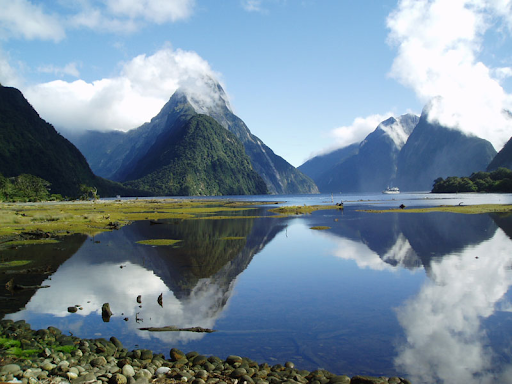
Picture Credit: commons.wikimedia.org
56