
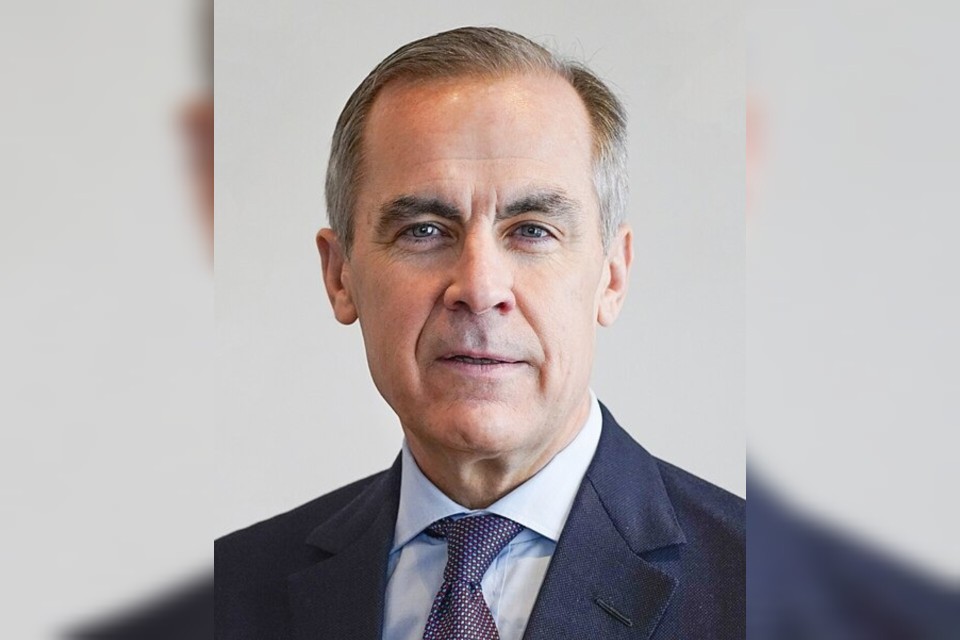
Prime Minister Mark Carney is engaging in talks with British Columbia Premier David Eby to potentially lower Canada’s federal carbon pricing benchmark. This move aims to bring it more in line with Alberta’s newly unveiled framework. During discussions in Vancouver, Carney highlighted the federal government’s intention to work with provinces and territories to establish a more consistent national carbon pricing system that balances economic growth with environmental priorities.
These discussions follow an agreement between Carney and Alberta Premier Danielle Smith on a new carbon pricing trajectory. Alberta’s plan sets an effective carbon price of $130 per tonne by 2040, which is below the current federal target of $170 per tonne by 2030. Premier Eby emphasized that while British Columbia backs economic development, environmental protection must remain a cornerstone of any future agreements, especially concerning new oil pipeline proposals to the West Coast. He reiterated support for the North Coast tanker ban and urged for stronger provincial participation in federal energy talks.
Carney noted that any prospective pipeline project would need to deliver substantial economic benefits to British Columbians and involve comprehensive consultations with Indigenous communities. He stressed the importance of creating opportunities for partnerships and co-ownership with these communities. Additionally, the Prime Minister underscored the necessity to expand the Port of Vancouver as part of Canada’s strategy to boost exports to Asian markets and lessen dependence on U.S. trade.
The expansion of infrastructure and energy projects would rely on collaboration among governments, First Nations, and industry groups, Carney stated. Both leaders suggested that more significant projects could be announced in British Columbia, aligning with the federal government’s broader strategy on infrastructure and trade.