
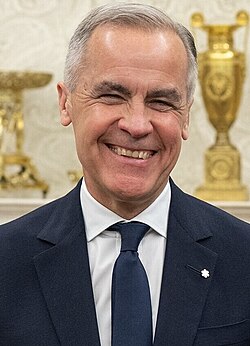
Mark Carney, the Canadian prime minister, has emphasized that Europe will not yield to a more “brutal world” and instead can be the foundation for rebuilding a new international order. His remarks came as he became the first non-European leader to participate in the European Political Community (EPC) meeting, which commenced on Monday amid heightened tensions in the Strait of Hormuz and renewed concerns regarding the U.S. commitment to NATO. Carney suggested that the era of American leadership may be waning and stressed that the international order would be reconstructed with Europe at its core. He highlighted the importance of defending a rules-based international system and noted the world is experiencing significant disruptions.
The EPC meeting, now in its eighth session, is taking place in Yerevan, Armenia. The choice of location underscores Europe’s commitment to preventing Armenia from falling back under Russian influence. This gathering occurs amidst worries about the reliability of the transatlantic alliance, following former U.S. President Donald Trump’s unexpected decision to withdraw over 5,000 troops from Germany, confirming some of the Europeans’ worst fears. British Prime Minister Keir Starmer remarked on the strain within alliances, noting that how leaders address these tensions could shape global relations for decades.
French President Emmanuel Macron expressed that Europeans are assuming control of their destiny by boosting defense and security spending and building common solutions. Meanwhile, Ukrainian President Volodymyr Zelenskyy emphasized that Russia faces a critical juncture, either to expand its war efforts or to pursue diplomacy. He stressed the importance of maintaining sanctions against Russia unless it chooses to end the conflict and called for Europe’s involvement in any diplomatic discussions.
The U.S. troop withdrawal plan has drawn attention, with Trump also hinting at pulling troops from Italy and Spain. As of late 2025, there were 36,436 U.S. troops in Germany, 12,662 in Italy, and 3,814 in Spain. EU foreign policy chief Kaja Kallas acknowledged the surprise timing of the withdrawal announcement, suggesting it underscores the need to bolster the European pillar within NATO. She refrained from speculating on whether Trump’s decision was a response to German Chancellor Friedrich Merz’s comments about U.S.-Iran negotiations.
NATO chief Mark Rutte conceded there had been disappointment from the U.S. regarding Europe’s hesitance to support U.S.-Israeli operations against Iran. However, he assured that Europe is now offering logistical support and pre-positioning critical assets near the conflict zone, preparing for the next phase of operations. Despite these tensions, Merz, who skipped the Yerevan summit, remains committed to the transatlantic relationship and working with Trump.