
The International Monetary Fund’s director, Kristalina Georgieva, has described the potential economic fallout from the US-Iran conflict as a “trigger impact” that could lead to “downward revisions in prospects for global growth.” She told Bloomberg TV that if heightened turbulence affects growth in major economies, the ripple effect from rising energy prices could be profound, causing significant “secondary and tertiary impacts” across the world economy.
A central element of this turbulence is the Iranian parliament’s recent vote to consider closing the Strait of Hormuz, a crucial maritime chokepoint through which a fifth of the world’s oil consumption flows. This retaliatory measure, in response to a US attack, threatens to create an unprecedented oil supply shock, pushing up inflation and impeding economic expansion worldwide.
Oil prices initially reacted with a jump of over 5% on Sunday, hitting a five-month high of $81.40. However, prices later retreated, with Brent crude falling nearly 1% to just over $76 a barrel on Monday. Despite this, the potential for dramatic increases remains, with Goldman Sachs estimating oil could hit $110 a barrel if Hormuz flows are substantially reduced for an extended period.
In diplomatic efforts, US Secretary of State Marco Rubio has called any closure of the strait “economic suicide” for Iran and has urged China to use its influence, given its heavy reliance on the waterway. Analysts at RBC Capital Markets are also advising caution, warning of “clear and present risk of energy attacks” from Iranian-backed militias and emphasizing that the situation remains fluid, as evidenced by two supertankers reportedly changing course in the strait.
IMF Weighs In: Iran Conflict a “Trigger Impact” on Global Growth
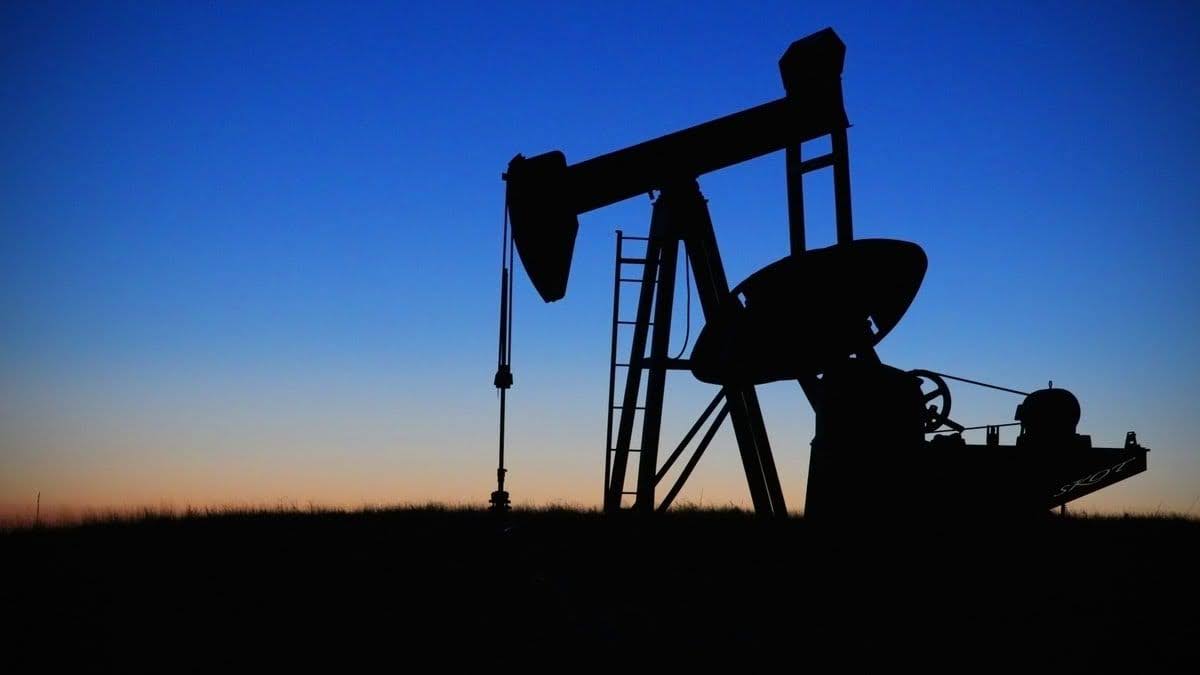
Picture credit: www.rawpixel.com
67