
As dusk settles over the moorlands near St Just, the granite pillars of Tregeseal stone circle emerge like silent witnesses to countless winters. These monuments have endured through four thousand seasonal cycles, their positions carefully calibrated to astronomical events that governed prehistoric life. The landscape surrounding them—windswept heaths rising toward rocky prominences—creates an atmosphere where past and present seem to merge through shared engagement with eternal patterns.
Research into Cornwall’s prehistoric monuments reveals extraordinary sophistication in their design and placement. Carolyn Kennett, whose work focuses on connections between ancient structures and celestial phenomena, has identified the entire Land’s End region as a deliberately constructed astronomical landscape. The peninsula’s geological formation—a granite spine extending toward the southwest—provided natural alignment with midwinter sunset that ancient communities recognized and amplified through strategic monument construction.
The precision of these alignments astonishes modern investigators. Standing at Chûn Quoit during the winter solstice, observers witness the sun descending exactly over Carn Kenidjack’s rocky summit. This wasn’t fortunate accident but represented careful planning based on sustained astronomical observation. Creating such alignments required communities to maintain specialized knowledge across multiple generations.
From Tregeseal’s stone circle, another significant alignment becomes apparent. The distant Isles of Scilly appear on the southwestern horizon, their visibility fluctuating dramatically with atmospheric conditions. Sometimes they manifest clearly; at other times they vanish completely. This instability may have held profound cosmological significance for ancient peoples who potentially viewed these flickering islands as thresholds between earthly and spiritual domains.
Contemporary Cornwall maintains vibrant connections to this astronomical heritage through both scholarly investigation and popular celebration. The Montol festival draws thousands to Penzance each winter solstice, reviving traditional customs including masked dancing, ritual fire ceremonies, and torch-lit processions. These modern observances, while incorporating contemporary elements, maintain fundamental themes of acknowledging darkness and celebrating the sun’s return that have structured seasonal awareness for millennia.
Twilight Among the Ancient Stones: A Journey Through Cornwall’s Winter Solstice Heritage
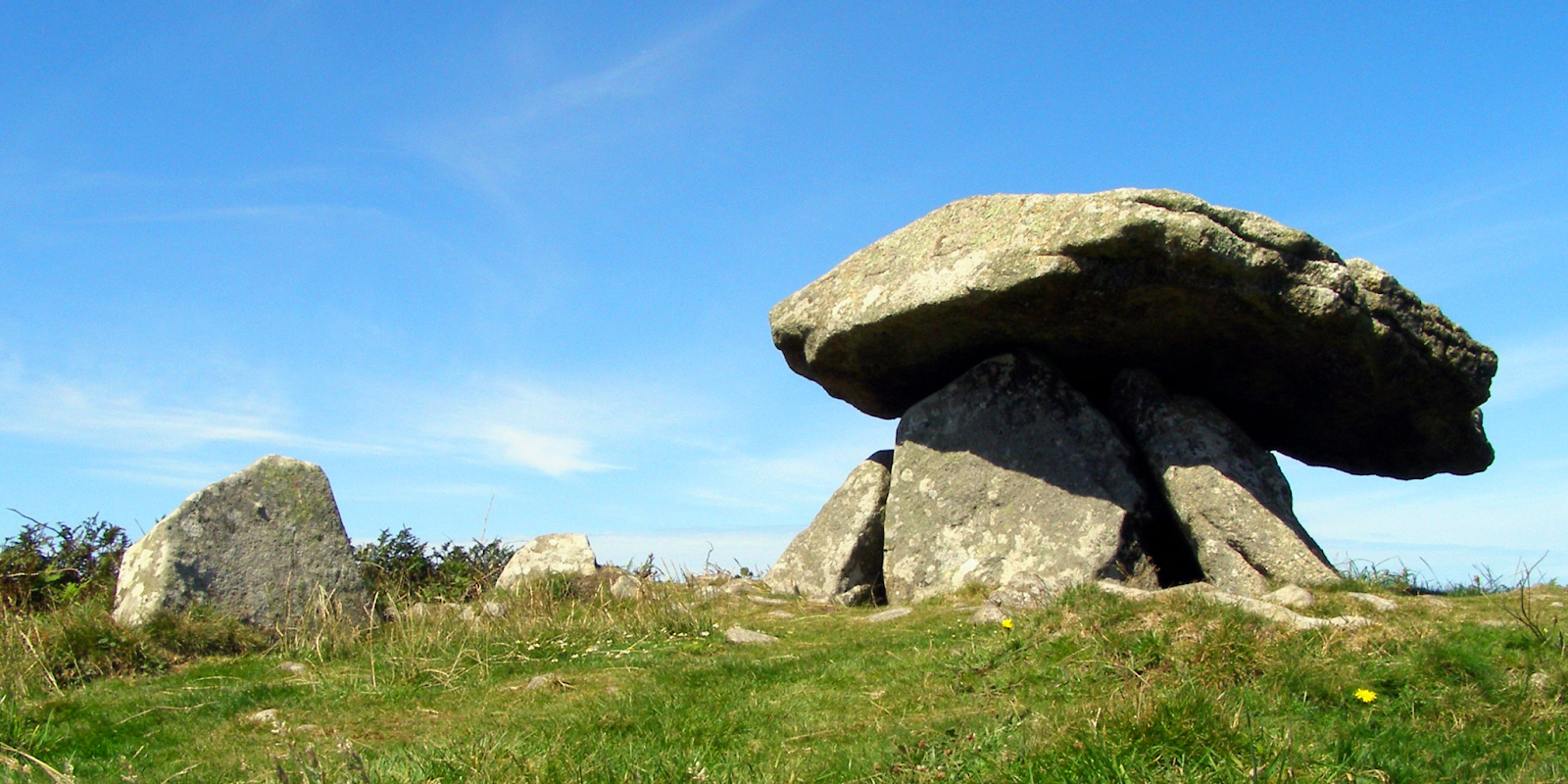
Photo by Jim Champion (treehouse1977), via wikimedia common
38