
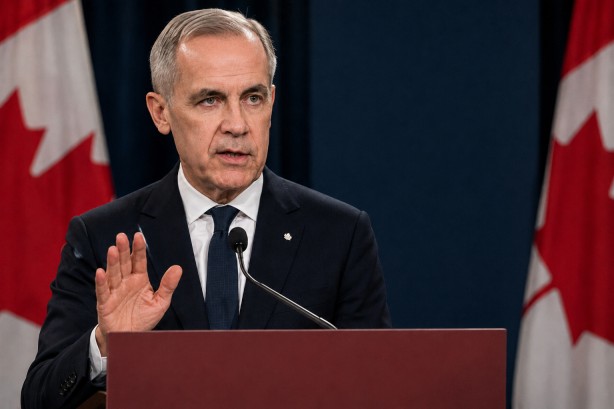
In a development that heightens the already simmering trade tensions between Canada and the United States, Canadian Prime Minister Mark Carney has firmly opposed a US trade proposal perceived to undermine French language protections. Carney emphasized the importance of these protections in Quebec, framing them as fundamental to Canadian rights and national identity. This stance follows the breakdown of trade negotiations between the two nations.
The impasse is set against the backdrop of new US tariffs on Canadian goods, impacting about 5% of Canada’s exports to its southern neighbor. In response, Canada has outlined plans to implement retaliatory tariffs in early September. The stringent language laws in Quebec, mandating the use of French in areas such as product labeling and media, have been a focal point in this dispute. Quebec’s leaders have endorsed Carney’s decision to reject the US proposal, underscoring the importance of preserving French language and culture.
US President Donald Trump has consistently criticized Canada’s trade practices, threatening additional tariffs on vehicles, auto parts, and steel. Meanwhile, US Trade Representative Jamieson Greer has contested the notion that French language protections were a direct element of the trade negotiations. According to Greer, the primary issues centered around regulations affecting streaming services and Canadian content requirements.
This disagreement underscores the escalating trade tensions between the two countries, both of which are now gearing up for further economic measures. As long-standing allies, the friction over trade policies and cultural protections marks a significant challenge in their bilateral relations.