
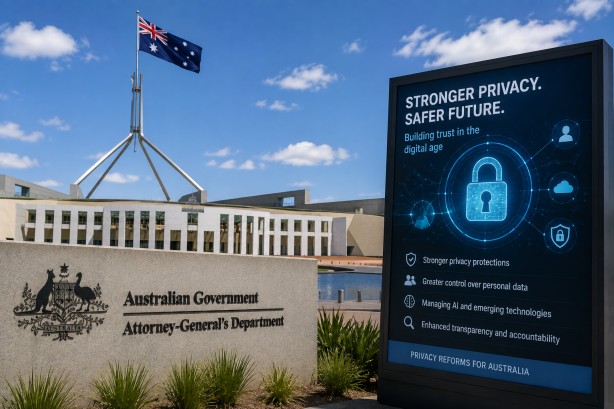
In response to the increasing integration of artificial intelligence, facial recognition, and connected devices, Australia has unveiled significant proposals aimed at revamping its privacy laws to better protect personal information. Central to these reforms is the introduction of a ‘fair and reasonable’ test that mandates organizations to provide justification for the collection and usage of personal data. Additionally, the changes would bolster individuals’ rights to request the deletion of their personal information from major digital platforms and impose more stringent consent requirements.
The Australian government is also advocating for enhanced safeguards concerning the utilization of personal data in targeted advertising, data trading, and AI-related activities. This initiative seeks to empower Australians with greater control over their data, dictating how it is collected, utilized, and shared. Public sentiment echoes this need for increased control, as government research indicates strong support for expanded rights over personal information, including the ability to request its deletion.
Addressing the growing regulatory scrutiny surrounding biometric data, the reforms also focus on facial recognition technology, particularly its deployment in publicly accessible spaces such as retail environments. The proposed measures aim to establish clearer boundaries and protections around the use of such sensitive information, reflecting a broader trend toward heightened privacy awareness.
The legislative proposals are currently under consultation, with the government inviting submissions until September 18, 2026. These suggestions are part of a broader discourse on privacy reform and remain subject to further deliberation before any finalization. The reforms underscore a proactive approach by the Australian government to adapt its legal framework to the evolving digital landscape and enhance individual data privacy.