
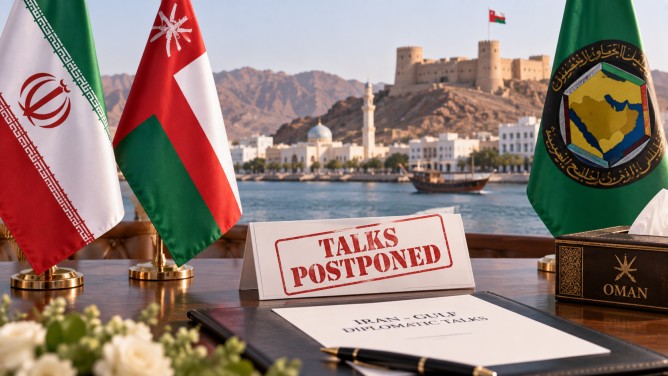
A meeting between Iran and Gulf nations, set to occur in Oman, has been postponed following requests from some regional countries, leading to a joint decision by Tehran and Muscat to delay the talks. Specific countries requesting the postponement have not been disclosed by Iranian officials. Omani Foreign Minister Badr Albusaidi confirmed the deferment of the meeting, originally planned for Salalah, emphasizing that the move was made to foster regional consensus and that Oman continues to advocate for dialogue aimed at enhancing stability and long-term cooperation.
The discussions were anticipated to address various regional matters, including potential agreements on maritime navigation through the Strait of Hormuz. This strait is a crucial global oil transit point, making the smooth passage of vessels a significant concern. Iran and Oman have been engaged in bilateral talks focusing on protocols to manage vessel movement through this strategic waterway. Oman, which oversees the coastline opposite the strait, has previously stated that these discussions have the backing of other Gulf Arab states.
The delay in talks comes amid escalating tensions in the region. Given that the Strait of Hormuz is responsible for the transportation of a substantial portion of the world’s oil shipments, any disruption in maritime traffic poses a major threat to international energy markets. Both Iran and Oman have been actively working together to ensure that the passage remains secure and free from conflict.
Oman’s role as a mediator in the region underscores its commitment to fostering dialogue among Gulf countries. The nation has a history of facilitating diplomatic conversations, aiming to reduce regional tensions and promote cooperation. The postponement of this particular meeting signals the complexities involved in regional diplomacy, especially given the strategic importance of the Strait of Hormuz.
Though the meeting has been delayed, the collaborative efforts between Iran and Oman highlight the ongoing need for discussions and negotiations to maintain stability in a region that is critically important for the global oil supply. Both countries appear determined to continue their efforts towards peaceful and cooperative management of this vital maritime corridor.