
The expiration of a U.S. waiver that allowed limited purchases of Russian oil marks a potential shift in Washington’s strategy to apply more pressure on Moscow amid the ongoing conflict in Ukraine. The waiver had previously enabled certain transactions involving Russian oil producers like Rosneft and Lukoil, despite existing sanctions. With the deadline passed and the waiver not renewed, the move suggests a tightening grip on Russia’s oil revenue streams, as the Trump administration seeks to further isolate Moscow economically.
This development coincides with a new U.S. agreement with Iran aimed at stabilizing global energy markets, potentially bringing Iranian oil exports back into play under lessened sanctions. This agreement, structured within a 60-day negotiation framework, is expected to gradually increase Iran’s oil contributions to the global market. While officials have not explicitly stated if full restrictions on Russian oil will automatically resume, recent comments indicate a leaning towards stricter enforcement measures.
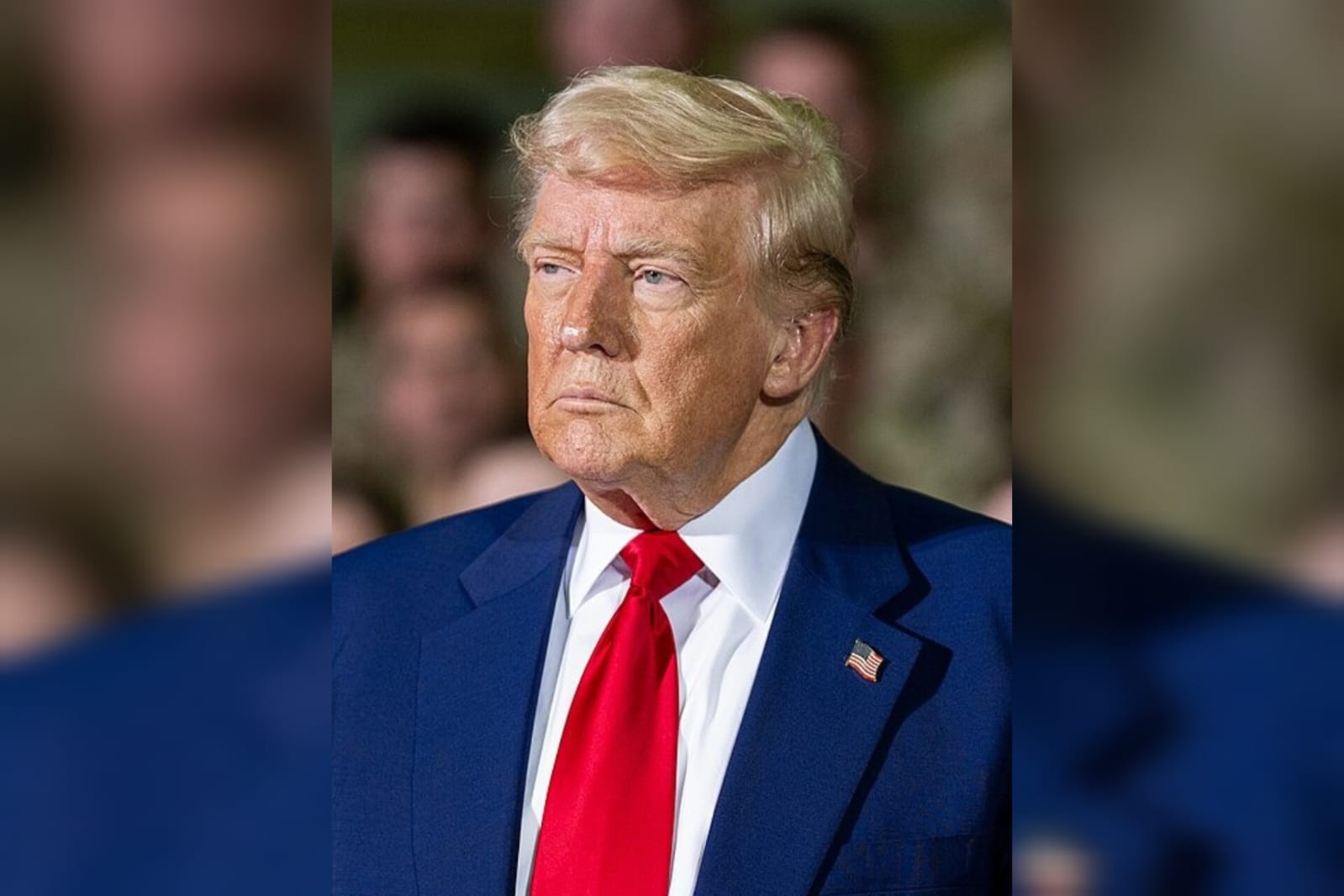
President Donald Trump has linked the decision to let the waiver lapse to the current trend of falling global oil prices. He argues that increased oil supply from the Middle East reduces the necessity for emergency exemptions that previously allowed some Russian oil to enter the market. The U.S.-Iran deal is anticipated to realign energy policies, potentially reshaping supply flows and aiming to mitigate price volatility in the oil markets.
Analysts caution that while Iranian exports are expected to rise, restoring full production and shipping capabilities may take time. The combination of Iran’s gradual re-entry into the market alongside tighter constraints on Russian oil exports could notably affect global oil balances in the months ahead. While the White House has not confirmed additional sanctions, officials emphasize that future decisions will consider factors like energy prices, market stability, and geopolitical impacts.